Cheese Pizza Recipe Ideas for Every Skill Level
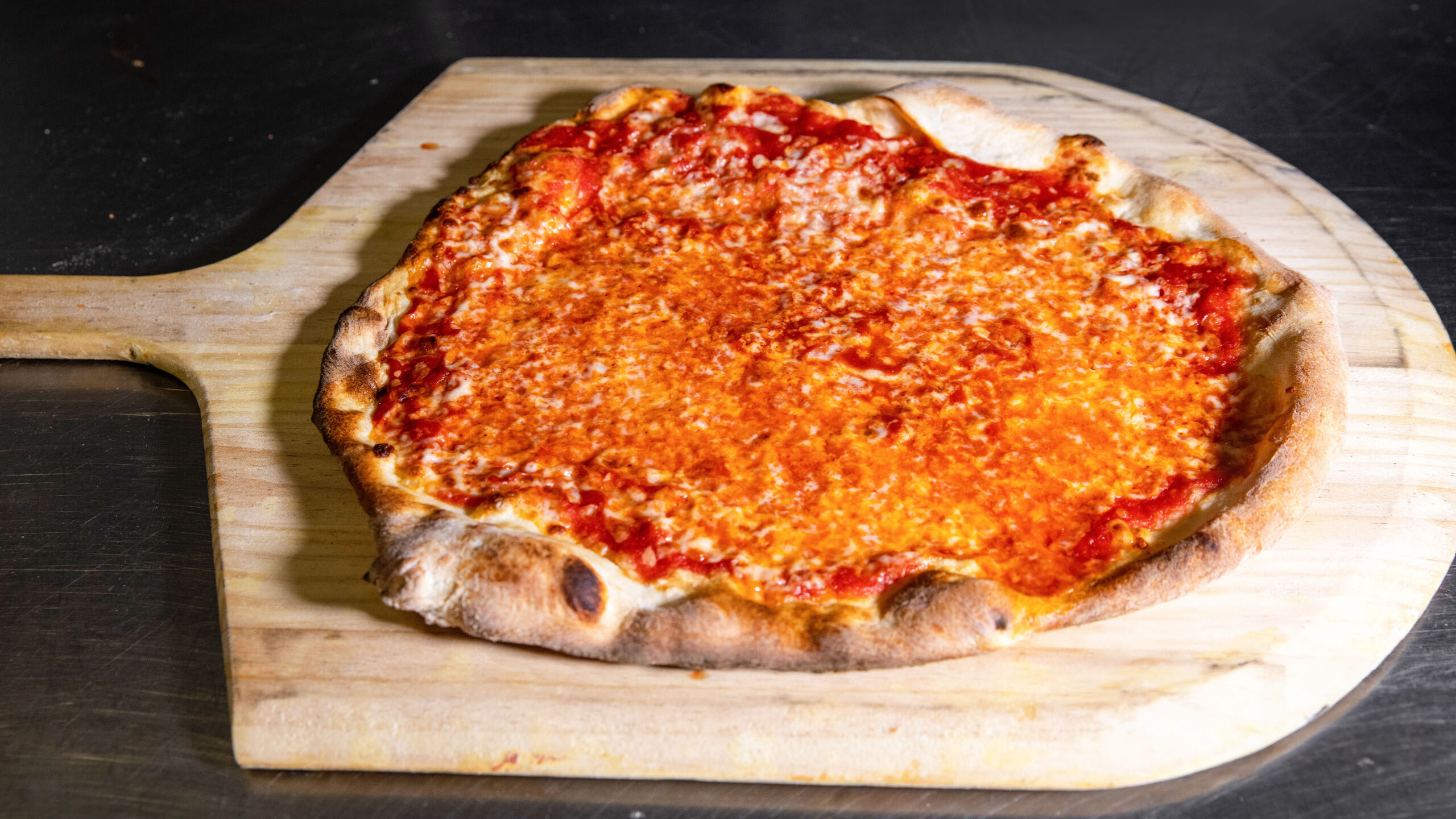
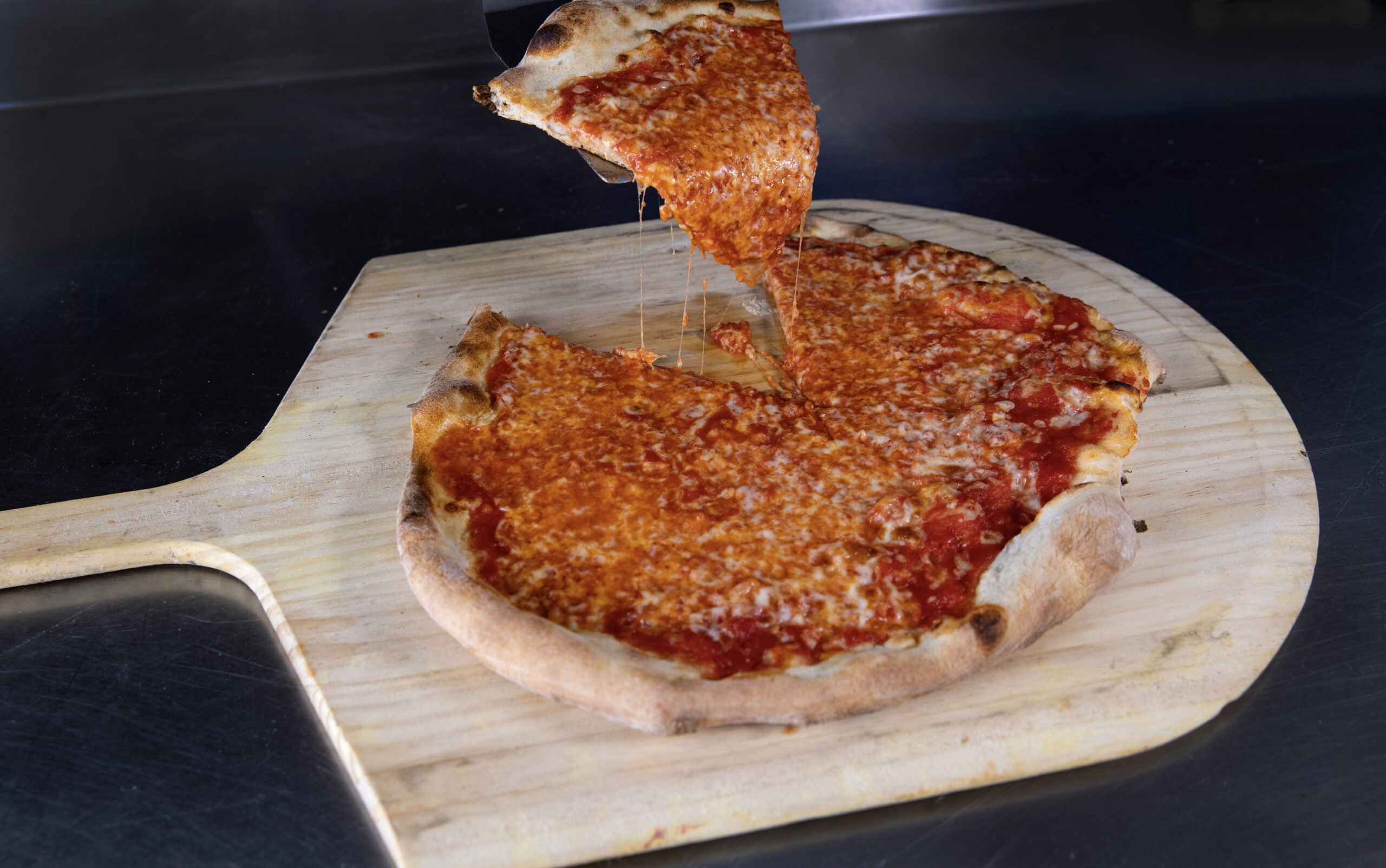
Cheese pizza looks simple, which is exactly why it exposes every shortcut. With no pile of toppings to hide behind, the dough, sauce, cheese, and heat all have to pull their weight. That is also what makes it such a useful style to cook at home. A good cheese pizza teaches the fundamentals fast: how dough should feel, when sauce is doing too much, which cheeses melt cleanly, and why oven setup matters more than most people think.
I have made cheese pizza in weak apartment ovens, on backyard grills, on baking steels, in cast iron pans, and once on the back of a preheated sheet pan when the stone cracked fifteen minutes before dinner. The lesson has stayed the same. You do not need restaurant equipment to make memorable pizza, but you do need to match the method to your skill level and your kitchen. A first attempt should be forgiving. A more advanced version can chase blistered crust, balanced acidity, and a cleaner dairy flavor.
This guide walks through cheese pizza recipe ideas that get more ambitious as your confidence grows. If you have never stretched dough before, start with the sheet pan version. If you already know how to launch a round pie, move to the classic stone baked pie or the long fermented dough. Every version below is built to teach something useful, not just produce dinner.
What makes a great cheese pizza
A strong cheese pizza depends on balance more than novelty. The crust should have flavor of its own, whether that comes from olive oil in a pan dough or fermentation in a lean dough. The sauce should taste bright and seasoned but not dominant. The cheese should melt evenly, brown in spots, and still leave some elasticity in each bite. Most home pizzas go wrong in one of three ways: too much sauce, too much cheese, or too little heat.
For a 12 inch pizza, a sensible starting point is about 80 to 100 grams of sauce and 100 to 140 grams of cheese, depending on moisture level. That often looks stingy before baking. It is not. Fresh mozzarella releases water. Low moisture mozzarella browns faster. Parmesan adds salty depth, but too much can create a greasy surface. A little restraint usually produces a more pizza shop style result than a heavy hand.
There is also a textural issue people overlook. Cheese pizza should have contrast. The center should be tender, the rim should offer chew or crispness, and the underside should not sag under the weight of the topping. If every bite is soft, it eats flat. If the crust is too hard, it feels dry even when the cheese is rich.
Before the recipes, set up your kitchen for success
The best improvement most home cooks can make is not a secret ingredient. It is preheating longer. If your oven says it has reached 500 degrees Fahrenheit, the air may be there, but your stone, steel, or pan is probably not. Give it at least 30 minutes, and closer to 45 if you are using a thick baking steel. That stored heat is what drives spring and browning.
Flour choice matters, but not in a snobbish way. Bread flour gives more chew and structure. All purpose flour works well for sheet pan pizza and is easier for many beginners. If you are using a standard grocery store flour and a conventional oven, technique will matter more than chasing a niche bag of imported flour.
Sauce can be as simple as crushed canned tomatoes with salt, olive oil, and a small pinch of oregano. Cooked sauces have their place, especially if you like a sweeter, more concentrated profile, but an uncooked sauce often tastes fresher on cheese pizza. The trick is draining watery tomatoes if they seem loose.
A quick checklist of ingredients that pull their weight
- Flour with decent protein, either bread flour or all purpose
- Low moisture mozzarella for reliable melting and browning
- Whole peeled or crushed tomatoes with a clean, balanced flavor
- Fine salt, because it dissolves evenly in dough and sauce
- Olive oil, especially for pan pizzas and finishing
That short list covers more ground than an overloaded shopping cart. Once those basics are in order, each recipe style becomes much easier to manage.
For absolute beginners, the sheet pan cheese pizza
If you have ever felt nervous about stretching dough into a circle, skip it. Sheet pan pizza is the most forgiving entry point, and it still delivers real crust character. The pan supports the dough, the rectangular shape removes the pressure of making a neat round, and a little olive oil helps create a crisp bottom even in an average oven.
Use a dough with a bit more water and a little olive oil, something in the neighborhood of 65 to 70 percent hydration if you are comfortable with baker’s percentages, or simply a soft, slightly tacky dough if you are not. For one standard quarter sheet pan or a slightly larger home baking tray, 350 to 400 grams of dough works well. Let it rise until puffy, then oil the pan generously and gently press the dough outward. If it springs back, wait ten minutes and continue. Beginners often fight dough that just needs time.
For the topping, spread a thin layer of simple tomato sauce, then add shredded low moisture mozzarella. Keep the cheese even, but do not bury the corners. Those exposed edges crisp beautifully. Bake at the highest temperature your oven allows, usually 475 to 500 degrees Fahrenheit, until the cheese blisters and the underside turns golden brown. In many home ovens, that takes 12 to 18 minutes.
What makes this version so useful is that it teaches dough feel without punishing mistakes. If the dough tears, you can patch it. If the shape is uneven, nobody cares. If the top colors before the bottom sets, move the pan to a lower rack for a few minutes. Once you can consistently produce a good sheet pan cheese pizza, you already understand more than most people think.
A practical variation for families is the half and half pan. Keep one side plain cheese for purists, then use the other side to test small changes. Try a light dusting of grated pecorino under the mozzarella, or brush the exposed crust with garlic oil right after baking. Those little experiments teach flavor balance without risking the whole tray.
For improving home cooks, the classic stone baked round
The next step is the classic round cheese pizza baked on a preheated stone or steel. This is where shaping, launch technique, and heat management start to matter. It is also where many people discover that their dough recipe was never the real problem. Their surface was not hot enough, or their pizza sat too long after topping and stuck to the peel.
A 12 inch cheese pizza is a smart target. It is large enough to feel like real pizza, but small enough to handle confidently. Use about 250 to 280 grams of dough for a thinner pie, or 300 grams for something with a touch more rim. Let the dough come closer to room temperature before stretching. Cold dough resists and tears more easily.
Press outward from the center, leaving a slightly thicker outer edge. Avoid using a rolling pin if the goal is an airy rim. Rolling forces out gas and gives a flatter crust. Some flatter styles are excellent, but most home cooks asking for better cheese pizza want that raised edge and open crumb near the rim.
With a steel, you can often bake at 500 to 550 degrees Fahrenheit and get strong bottom color in 6 to 8 minutes. A stone usually takes a little longer and gives a gentler bake. Neither is automatically better. Steel is more aggressive. Stone is more forgiving. If your last pizza came out pale underneath, a steel is often the easiest fix.
Cheese choice matters more here because the bake is shorter. A blend of low moisture mozzarella and a small amount of provolone gives a fuller dairy flavor than mozzarella alone. A tablespoon or two of finely grated Parmesan added after the bake sharpens everything. If you like a New York style note, a pinch of dried oregano and a few drops of olive oil on the sauce can make the whole pie smell familiar before it even leaves the oven.
This is also the stage where restraint becomes discipline. The best cheese pizzas at this level usually look a bit underdressed before they bake. That is how they avoid the wet center that frustrates so many home cooks.
For cast iron fans, the crisp edged skillet version
Somewhere between pizza night and comfort food sits the cast iron cheese pizza. It is one of the highest reward methods for home kitchens because the pan traps heat, encourages bottom browning, and creates those deep golden edges where cheese fries against the metal.
The dough can be similar to the sheet pan formula, though a slightly richer dough works well here. Oil the pan, stretch or press the dough in, and let it proof until relaxed and airy. Sauce goes on lightly. Cheese can go all the way to the edge, which feels almost reckless the first time you do it. In practice, it creates one of the best textures in home pizza cooking. The edge caramelizes into a crisp, salty crown.
This method is ideal for people who like a thicker, more substantial slice but still want lively texture. It is also forgiving with timing. A skillet pie can rest in the pan briefly before baking without collapsing the way a peel launched round might. If you entertain often, that convenience matters.
One note from experience: take the pizza out of the pan soon after baking if you want the crust to stay crisp. Leave it sitting in a hot skillet too long, and steam starts softening the bottom. A thin spatula and a little confidence are all you need.
For ambitious cooks, the long fermented dough
Once you can make a dependable pizza in one evening, long fermentation is where cheese pizza starts tasting more complete. The difference is not just texture. It is aroma, digestibility for some people, and deeper wheat flavor. A 24 to 72 hour cold rise in the refrigerator can produce dough with better browning, more nuanced chew, and a rim that tastes like something rather than just structure.
This approach does ask for judgment. Highly fermented dough can become sticky, especially if hydration is high. It also browns faster because sugars develop over time. That means your familiar bake time may suddenly be too long. Many strong home pizza makers burn their first properly fermented pie because they trust the old clock.
For cheese pizza, long fermentation is especially rewarding because there is nowhere for that flavor to hide. A plain pie made with mature dough can smell faintly nutty and slightly sweet even before the cheese has fully browned. The finished crust often carries a pleasant complexity that needs very little adornment.
Use a lighter hand with sauce on this style. If the dough already has flavor, let it show. I like crushed tomatoes seasoned simply with salt, then finished after the bake with a thread of olive oil and a small shower of finely grated aged cheese. That keeps the profile focused and clean.
Cheese combinations that actually improve the pie
Cheese pizza sounds singular, but most memorable versions blend cheeses with intent. The key is understanding what each one contributes. Low moisture mozzarella gives structure, stretch, and even melt. Fresh mozzarella gives a softer, milkier note but can waterlog a pie if not drained well. Provolone adds sharper depth. Fontina melts luxuriously but can feel rich fast. Parmesan and pecorino are best used sparingly for seasoning, not bulk.
A useful rule is to choose one primary melting cheese and one accent cheese. That prevents muddy flavor and greasy pooling. For example, low moisture mozzarella plus a little provolone works beautifully on a stone baked round. Fresh mozzarella plus Parmesan suits a more minimal pie with a shorter ingredient list. Whole milk mozzarella usually gives better flavor than part skim, though part skim can brown nicely and stay less oily.
If you want a more pizzeria style top, shred the cheese yourself. Pre shredded bags often contain anti caking agents that affect melt. It is not a disaster, and plenty of weeknight pizzas are made that way, but the texture is rarely as smooth.
Skill building through sauce, not just dough
Many home cooks pour energy into dough and treat sauce as an afterthought. On cheese pizza, that is a mistake. A sauce that is too acidic can make the whole pie taste thin. Too sweet, and it starts reading like pasta sauce. Too heavily seasoned, and it competes with the cheese.
The best home sauce for many cheese pizzas is almost austere. Tomatoes, salt, maybe a touch of olive oil, and perhaps a whisper of oregano or grated garlic. If the tomatoes are high quality, you do not need much more. If they are harsh or watery, a brief simmer can help, but do not cook them into paste. You want brightness.
A useful home test is the spoon swipe. Drag a spoon through the sauce in the bowl. If water floods immediately into the path, it is probably too loose. If it sits like tomato paste, it will spread poorly and bake heavy. You are aiming for something spoonable and cohesive.
The mistakes that most often derail cheese pizza
- Overloading the dough with sauce or cheese
- Baking on an underheated surface
- Stretching cold dough straight from the refrigerator
- Using wet fresh mozzarella without draining it
- Cutting immediately, before the cheese and crust have set
That short list covers the majority of disappointing home pizzas I have seen, including many of my own. The fix is usually simple once you know where to look.
Recipe ideas matched to your current level
A practical way to choose your next cheese pizza is to be honest about what you want to learn.
If you want a dependable weeknight dinner with little stress, make the sheet pan version. It tolerates interruptions, works with all purpose flour, and gives you a lot of margin for error. This is the pizza I recommend to people cooking with children, sharing a small kitchen, or using older ovens that struggle to maintain heat.
If you want to get better at shaping and launching, commit to the stone or steel baked round for several attempts in a row. Repetition matters more than novelty here. Use the same dough weight, the same sauce amount, and the same cheese blend three times. By the third bake, your hands will notice things your recipe never mentioned.
If you love crunchy edges and a richer bite, choose the cast iron skillet pie. It feels generous without being clumsy and responds well to home conditions. It is also one of the easiest pizzas to serve to a crowd because it slices neatly and holds heat well.
If you are already comfortable with those methods and want better flavor from simpler ingredients, move to a long fermented dough. That path rewards patience more than gadget buying. A Cheese Pizza plain cheese pizza made with excellent dough can beat a more elaborate pie every time.
Small finishing moves that make a plain pie memorable
Finishing details matter more on cheese pizza than on a heavily topped pie. A few drops of good olive oil after baking can make the dairy aromas bloom. Finely grated Parmesan added while the pie is still hot melts into the surface and deepens savoriness. A very light scatter of dried oregano can evoke classic pizzeria flavor without overwhelming the tomato. Fresh basil works too, but use it thoughtfully. Basil turns a straight cheese pizza into something closer to margherita territory, which may be exactly what you want, but it changes the profile.
One of my favorite finishing touches is not an ingredient at all. It is patience. Let the pizza rest for one to two minutes before slicing. The cheese settles, the steam escapes, and the crust stays crisper. Cut too soon, and the top can slide while the center remains too soft.
How to know you are improving
Progress with cheese pizza is easy to miss if you only judge by looks. A better measure is consistency. Can you repeat the same result twice? Does your dough behave the way you expect? Can you identify whether a disappointing pie suffered from fermentation, shaping, topping, or heat? Those are the skills that separate a lucky pizza from a reliable one.
There is also a sensory shift that happens with practice. You start noticing when dough is proofed enough by how it relaxes under your fingertips. You hear the difference between a bottom that has crisped and one that is still pale. You smell when the cheese is moving from melted to browned. Those cues matter more than exact minutes on a timer.
Cheese pizza is often dismissed as basic, but that misses the point. It is foundational. It teaches restraint, precision, and the value of matching method to circumstance. A weeknight sheet pan pie, a skillet with caramelized edges, and a carefully fermented round on a steel can all be excellent versions of the same idea. The best one is the one that fits your kitchen, your schedule, and your current skill, then nudges you a little further the next time you bake.
Brooklyn Pizza
1647 Arapahoe Ave
Boulder, CO 80302
+1 720-328-2324
FAQ About Cheese Pizza
What type of cheese is used on a cheese pizza in Boulder, CO?
The cheese varies by pizzeria. Brooklyn Pizza uses whole-milk mozzarella made in-house on its standard pies and offers a plant-based cheese option for vegan pizza. Ask the shop directly about ingredients if you have a dietary restriction.
How many slices are in a large pizza in Boulder, CO?
Slice count depends on how the shop cuts the pie. Brooklyn Pizza lists a 16-inch large pizza. If you are ordering for a group, call to confirm the number of slices or ask whether a smaller cut is available.
What is New York style pizza in Boulder, CO?
New York-style pizza usually has a thin crust and wide slices that can be folded. A classic cheese slice pairs tomato sauce with mozzarella. Brooklyn Pizza serves New York-style pizza by the slice and as whole pies.